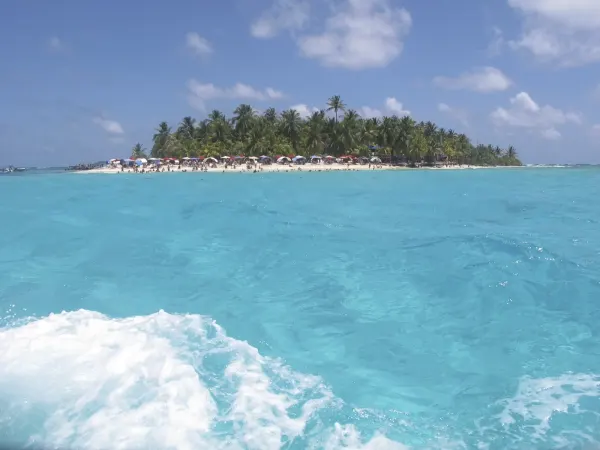
 Johnny Cay Tour
Johnny Cay did not begin with the morning tour or with Coralina’s wristband. It is a palm cay off San Andrés, with a name in Creole English, another name in the paperwork—Cayo Sucre or Sucre islet—and a park declaration that in 2001 changed what you could do on the shore. This page gathers what is actually documented about the name, the park and the Raizal people who work on the cay, and it is clear about what is a local account, not an official birth certificate.
📋 In brief
- A local account, reported by EFE in 2015, attributes the name to a native islander who set up a coconut-water stand on the islet. It is not an archival etymology; it is the story told on the island.
- In rulings and official notes it also appears as Sucre islet or Cayo Sucre.
- On 3 August 2001, Coralina declared it a Regional Natural Park (Agreement 027), with the reef around it; the boundaries followed in Agreement 041 of 18 September that year.
- Local operators work on the cay—many of them Raizal—who were already there before the declaration; the park is not an empty backdrop.
Where does the name Johnny Cay come from?
The version that circulates most on the island was reported by EFE in 2015, quoting the guide Deivi Bolaños: the cay supposedly takes its name from a native islander who had the idea of selling coconut water on the islet. It is a local account, plausible in a place of Anglo-Caribbean Creole speech, and we do not present it as an archival document or as a biography of that “Johnny.” If an official source with another origin appears, this page should be updated; until then, that is the story that is told, not a notarized fact.
In court texts and in chronicles the name Sucre islet or Cayo Sucre also appears, used alongside Johnny Cay. In visitors’ everyday speech and on the park’s signs, the English name won out. Neither cancels the other: one is what people type when they book a tour, the other shows up in some protected-area papers.
What was the cay like before it became a park?
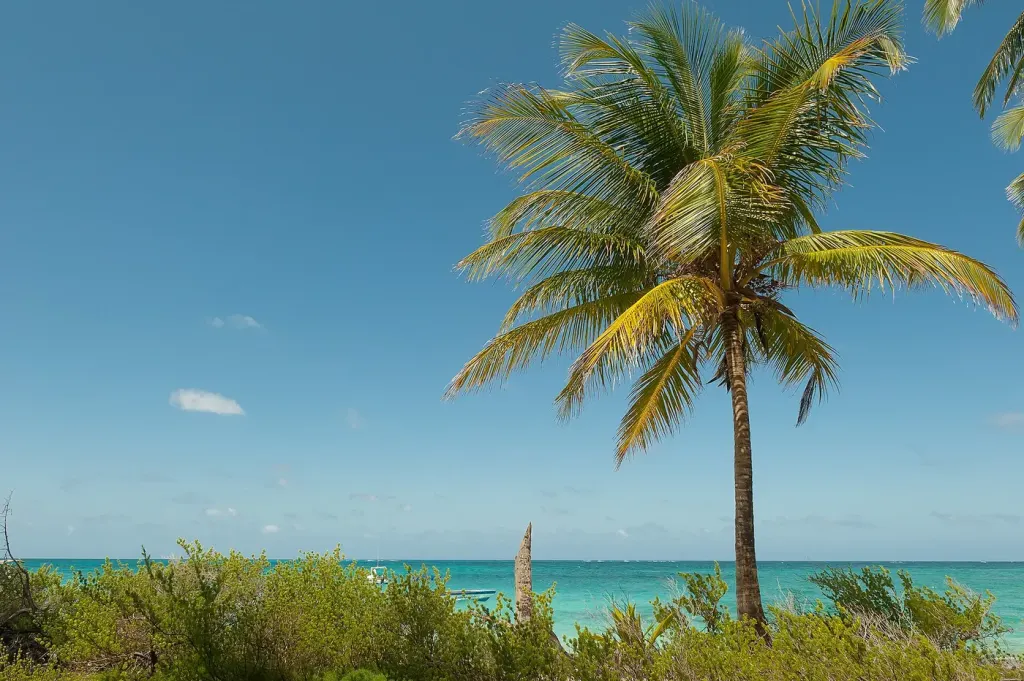
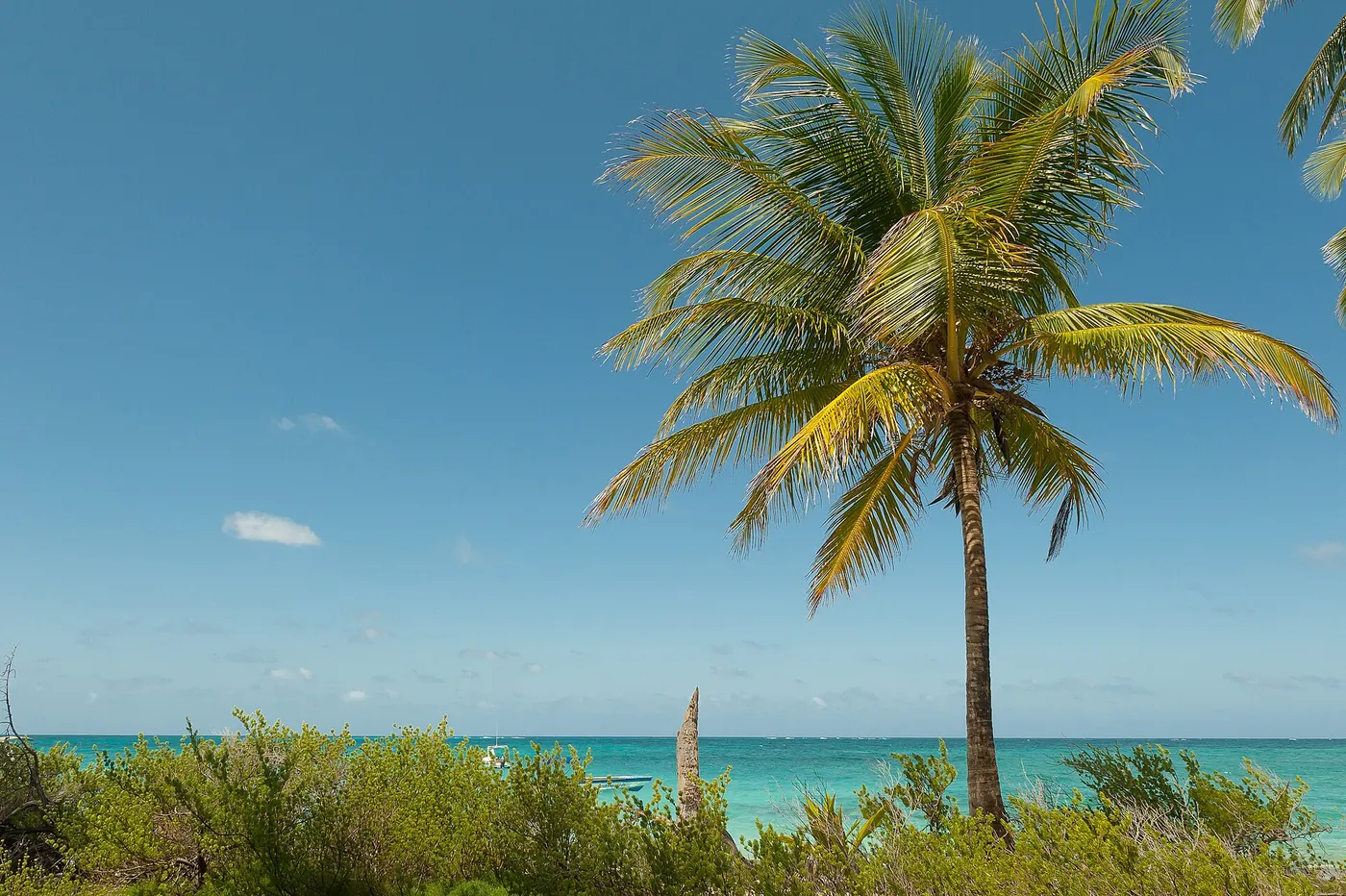
The same 2015 testimony describes a looser past: a place people went to drink and spend the day, in the already legendary tradition of a coast that corsairs once sailed. It is better not to turn that into a pirate film: it is the contrast islanders themselves draw between a party cay and the rule-bound park of today. What is documented in INVEMAR’s reference study (Vides and Alonso, 2018) is the landscape: the coconut-palm silhouette is the mark of a coconut economy that, on San Andrés, replaced native forest with a monoculture. That inheritance left the islet beautiful and, at the same time, more exposed to erosion.
When was the Regional Park declared, and why?
On 3 August 2001, Coralina’s Board issued Agreement 027 and declared Johnny Cay and the marine reef complex around it a Regional Natural Park, in order to slow the deterioration of living marine resources and ecosystems. On 18 September, Agreement 041 reserved and delimited the area. The management plan came with Resolution 161 of 7 March 2002. A year earlier, the archipelago had already been declared the Seaflower Biosphere Reserve by UNESCO (2000). The park is part of the local protected-area system.
It was not a decorative gesture. The management plan itself and, later, a 2018 ruling of the Administrative Court of San Andrés on the park’s protection, recorded the pressure: waste, boat traffic and a cay that was already the most visited in the archipelago, with hundreds of people a day. Today’s legal status and capacity cap—854 people at a time, around 1,000 visits on a normal day—come from that attempt not to let tourism success eat the islet. How that translates into a wristband, hours and bans is in hours, rules and closures. The size of the park versus the cay is in the geography of Johnny Cay.
What does Raizal culture have to do with a cay that has no village?
There is no permanent settlement or hotel on Johnny Cay. Raizal culture shows up in the people who work there: kiosks, boats, recipes, the Creole English and Spanish that cross at the pier. The Governor’s Office has noted that Coralina works with operators who have been on the cay for decades—even before it was a park—and that this work is also employment and a tie to Raizal culture. The dish most associated with that kitchen, rondon, is eaten with more ease on the main island; on the cay you will find the day’s fish and flavors from the same family, with the nuances we describe in what to eat at Johnny Cay.
Visiting the park with that in mind changes the tone of the day: it is not an “empty” islet staged for a photo, it is a protected area where people from the island work, sell and row. Feeding iguanas, leaving trash or coming in with coolers from outside is not only “against the rule”: it is against that balance, which is fragile and is described in the nature of Johnny Cay.
💡 Guide’s tip
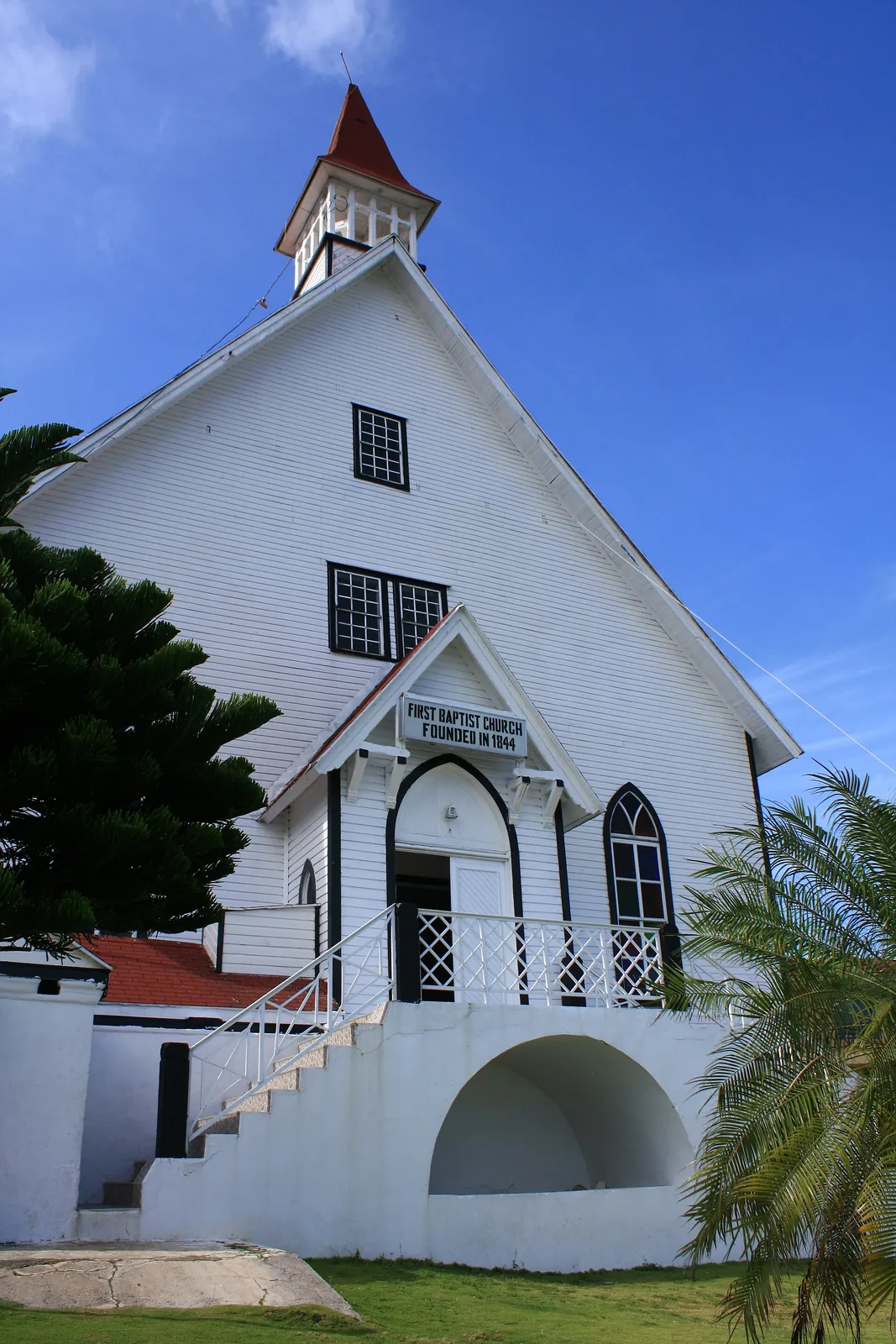
If you want Raizal culture beyond a half-day on the cay, save it for the main island: La Loma, the language, the church, the cooking. The cay is a chapter of that history, not the whole book.
Frequently asked questions
Are Johnny Cay and Cayo Sucre the same place?
Yes. Johnny Cay is the everyday and tourism name; Sucre islet or Cayo Sucre appears in official and judicial texts. It is the same park, off Spratt Bight.
Is it proven that it is named after a coconut-water seller?
It is the most cited local account, reported by the EFE news agency in 2015. We do not present it as an archival document. If there is another official etymology, it should be cited.
Is the cay a national park?
No: it is a Regional Natural Park, declared by Coralina in 2001, inside the Seaflower Biosphere Reserve. It is not a national park in Colombia’s National Natural Parks system.
Is there a Raizal community living on Johnny Cay?
There is no resident village on the islet. There are operators—many of them Raizal—who work in kiosks and boats, and at the end of the afternoon the park is emptied.
Want to visit Johnny Cay knowing it is a park with a history, not just a postcard? Message us on WhatsApp at +57 333 7694175 and we will set up the crossing, classic or combo, inside the protected area’s hours.